Collaborative Science Project
Zen Quest Adventures is delighted to offer a suite of field-based Collaborative Science Projects (CSP) for Diploma Programme and Career-related Programme students. Each project meets the International Baccalaureate's 2025 CSP requirements in full: a minimum of ten hours, interdisciplinary student teams, a clear local-to-global issue, and an emphasis on collaborative process rather than a finished product.
Our programmes are designed by outdoor educators with academic guidance, and each is underpinned by comprehensive risk assessments, detailed standard operating procedures, and equipment lists.
What is the Collaborative Science Project?
The IB Collaborative Science Project requires students enrolled in any DP science subject to work together in interdisciplinary teams towards a common goal related to a real-world issue, pursued through the lens of the scientific method. The emphasis is on collaborative problem-solving; the focus is the process rather than the product. Zen Quest's CSP programmes fulfill requirements:
- Minimum 10 hours of active inquiry, extended across preparation, fieldwork, data analysis, and reflection
- Interdisciplinary teams drawn from different science subjects (Biology, Chemistry, Physics, ESS, Computer Science, Design Technology, SEHS)
- Local context: every project is rooted in one of our amazing locations around China.
- Global issue: each project connects to a recognised global challenge — climate change, biodiversity loss, freshwater security, air quality, light pollution, or marine plastic
- Process over product: students are assessed on collaboration, communication, and reflection, not on a polished artefact
- 100-word individual reflection, collected and retained as evidence
- Documentation via the student's chosen medium: video diary, podcast, poster, web page, or written journal.
Programmes we deliver
The following projects give examples of our amazing CSP's. Each can be offered as a stand-alone CSP or integrated into a longer residential programme.

1. River macro-invertebrate survey
Subject alignment: Biology, ESS, Chemistry
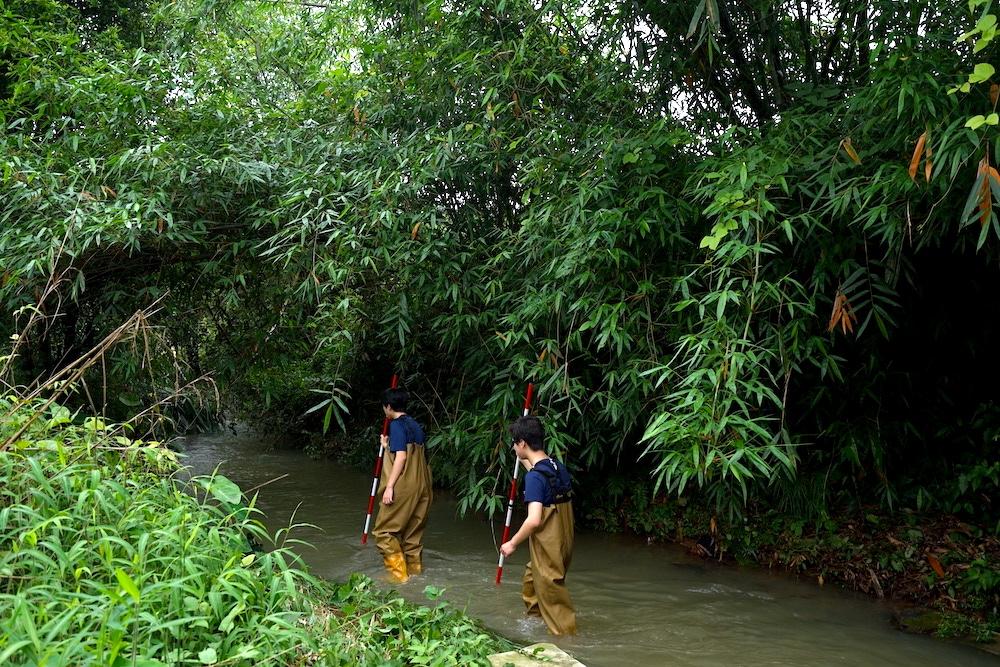
Students collect aquatic macroinvertebrates from XingPing River sediment using standardised kick-sampling techniques, identify specimens with dichotomous keys, and calculate a BMWP/ASPT biotic index to assess water quality. Teams compare upstream and downstream sites to detect pollution gradients.
The CSP framing adds structured data comparison across teams, explicit hypothesis testing, and the global freshwater-scarcity narrative (SDG 6).
2. Sensor Community air quality network
Subject alignment: Physics, ESS, Computer Science, Design Technology
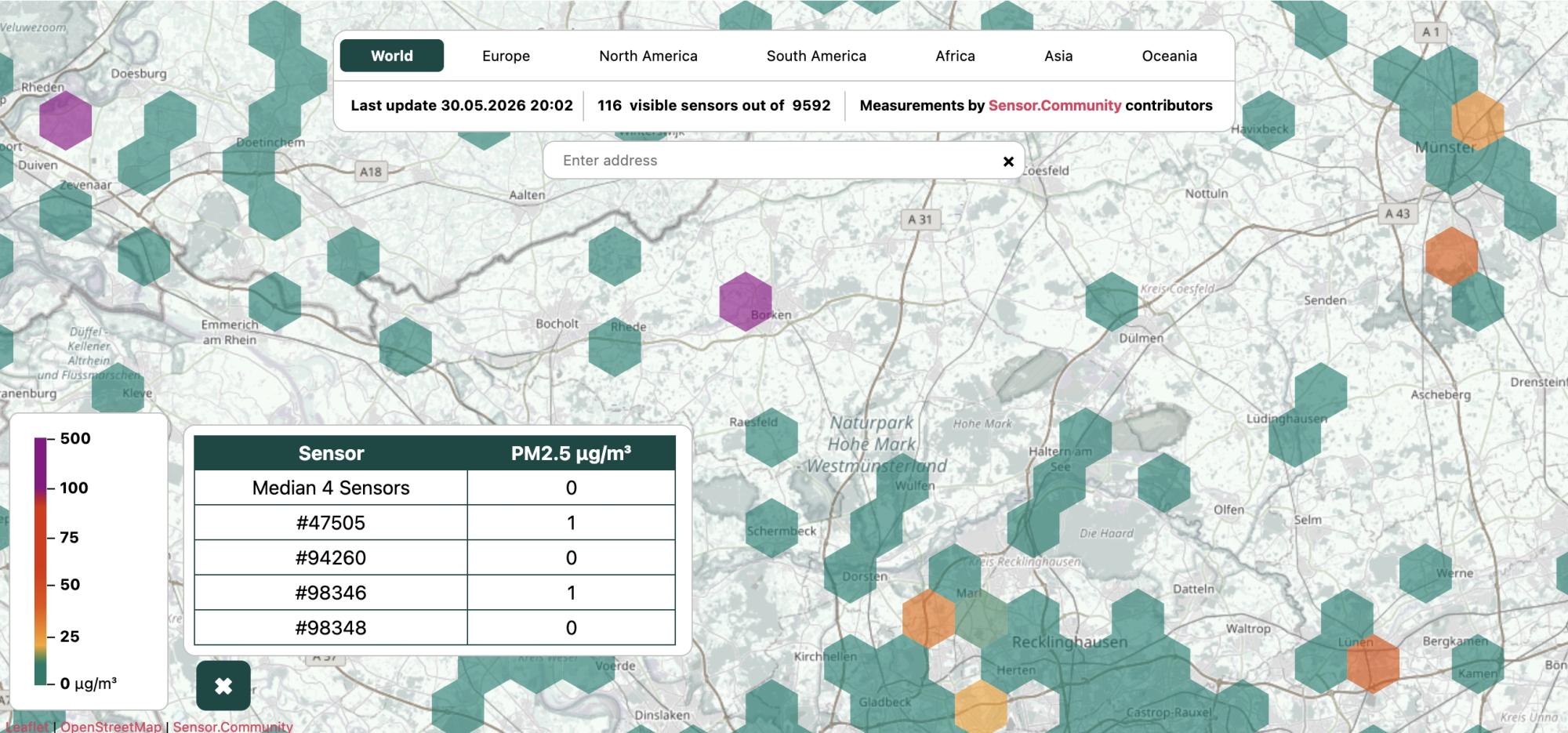
Each student (or pair) assembles an open-source airRohr particulate-matter sensor from an SDS011 laser-scattering module, a BME280 environmental sensor, and a NodeMCU ESP8266 Wi-Fi microcontroller. After soldering, wiring, and firmware configuration, students deploy their sensors at three contrasting locations, collect 48-hour datasets, and compare PM2.5 and PM10 concentrations against WHO air-quality guidelines.
Data is uploaded automatically to the global Sensor Community open-data map, giving students a genuine citizen-science contribution. Physics students lead sensor calibration and laser-scattering theory; Computer Science students manage IoT configuration and API data retrieval; ESS students interpret health impacts and urban-planning implications.
3. River Hydrology with the Zen Quest Adventures Open Source Flowmeter
Subject alignment: Physics, ESS, Computer Science, Design Technology
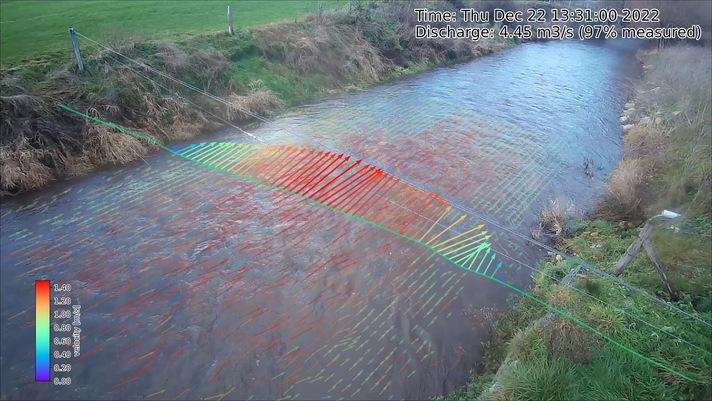
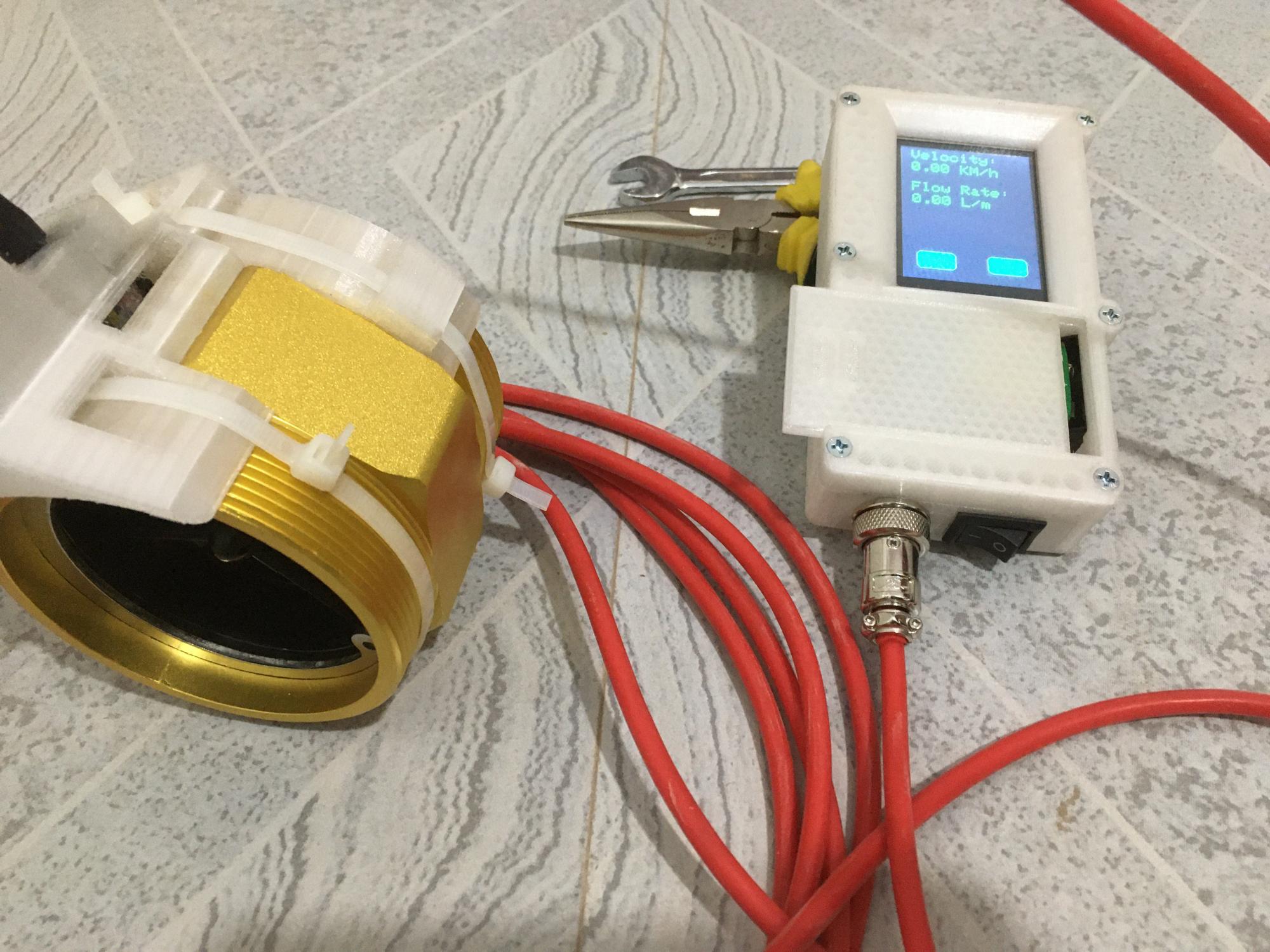
Students build the Zen Quest Arduino flowmeter — an instrument developed in-house and published on our GitLab repository — then calibrate it against a measured stream channel. Teams conduct a full hydrological survey of a stream at one of our many China wide locations: measuring cross-sectional area, velocity profiles at multiple depths, discharge calculations (Q = A × v), and downstream sediment load.
The project leverages our existing award winning open-hardware flowmeter documented on Hackaday and transforms it from a technical build into a scientific inquiry. Physics students lead fluid-dynamics calculations; Computer Science students flash the Arduino firmware; ESS students connect discharge data to seasonal rainfall patterns, land-use change, and freshwater security (SDG 6).
4. Karst cave microclimate & CO₂ Monitoring
Subject alignment: Physics, Chemistry, ESS, Biology
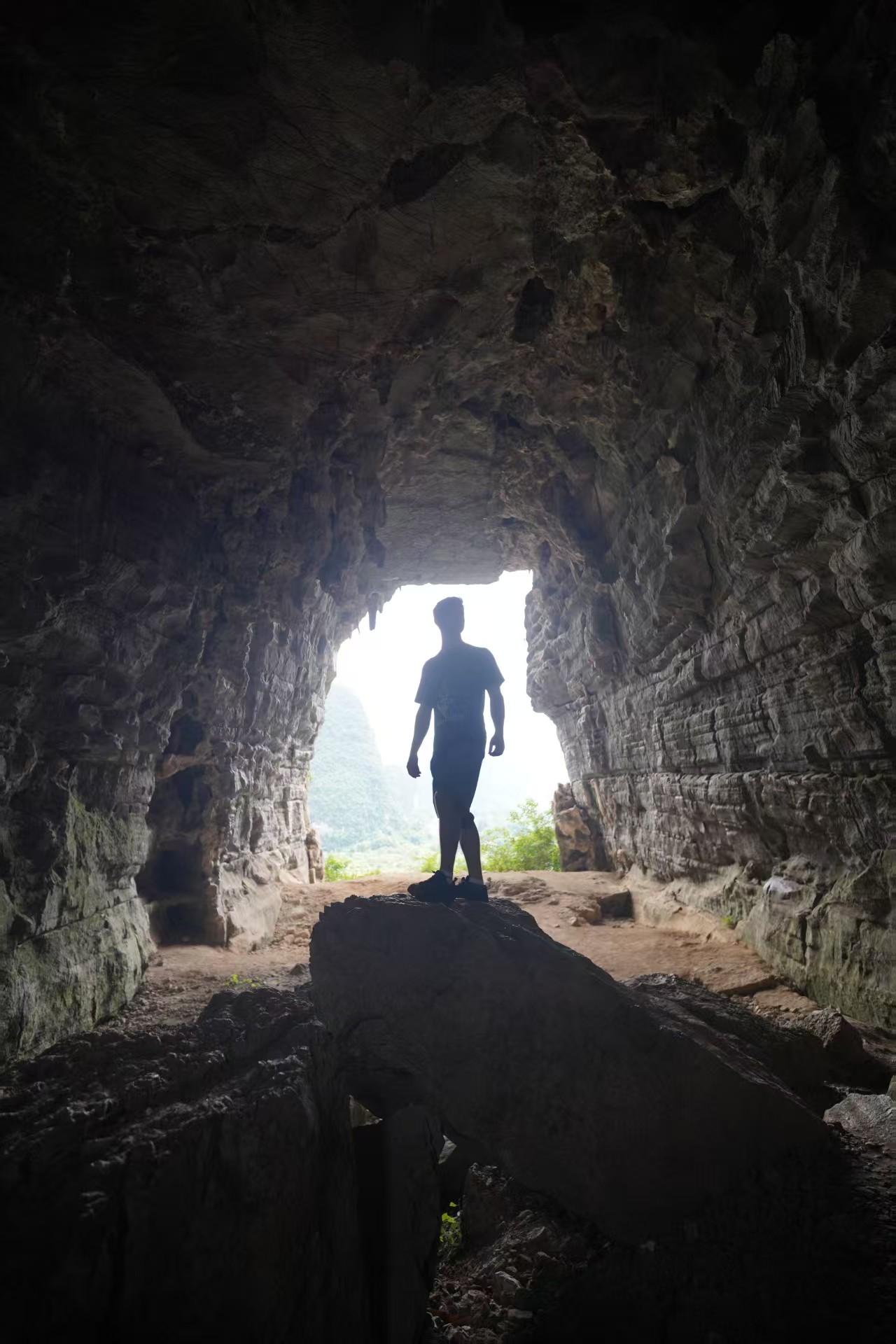
Suitable for our Guangxi, Guizhou and Goungdong locations that contain horizontal cave systems which function as natural climate archives. Students deploy CO₂, temperature, and relative-humidity loggers inside a cave and at the external entrance, analyse diurnal and seasonal cycles, and discuss the dissolution chemistry of carbonate bedrock (CaCO₃ + CO₂ + H₂O ⇌ Ca²⁺ + 2HCO₃⁻).
The project connects to palaeoclimate science (speleothem growth layers), sustainable tourism (measuring visitor impact on cave microclimate), and the global carbon cycle. It is genuinely unique to limestone areas of which China has many options.
5. Li Riever Plastic Audit & Ocean Cleanup Survey
Subject alignment: ESS, Computer Science, Biology
Location: Yangshuo or other location with suitable river
(Seasonal: best delivered May–September when river levels are high and plastic debris is visible.)
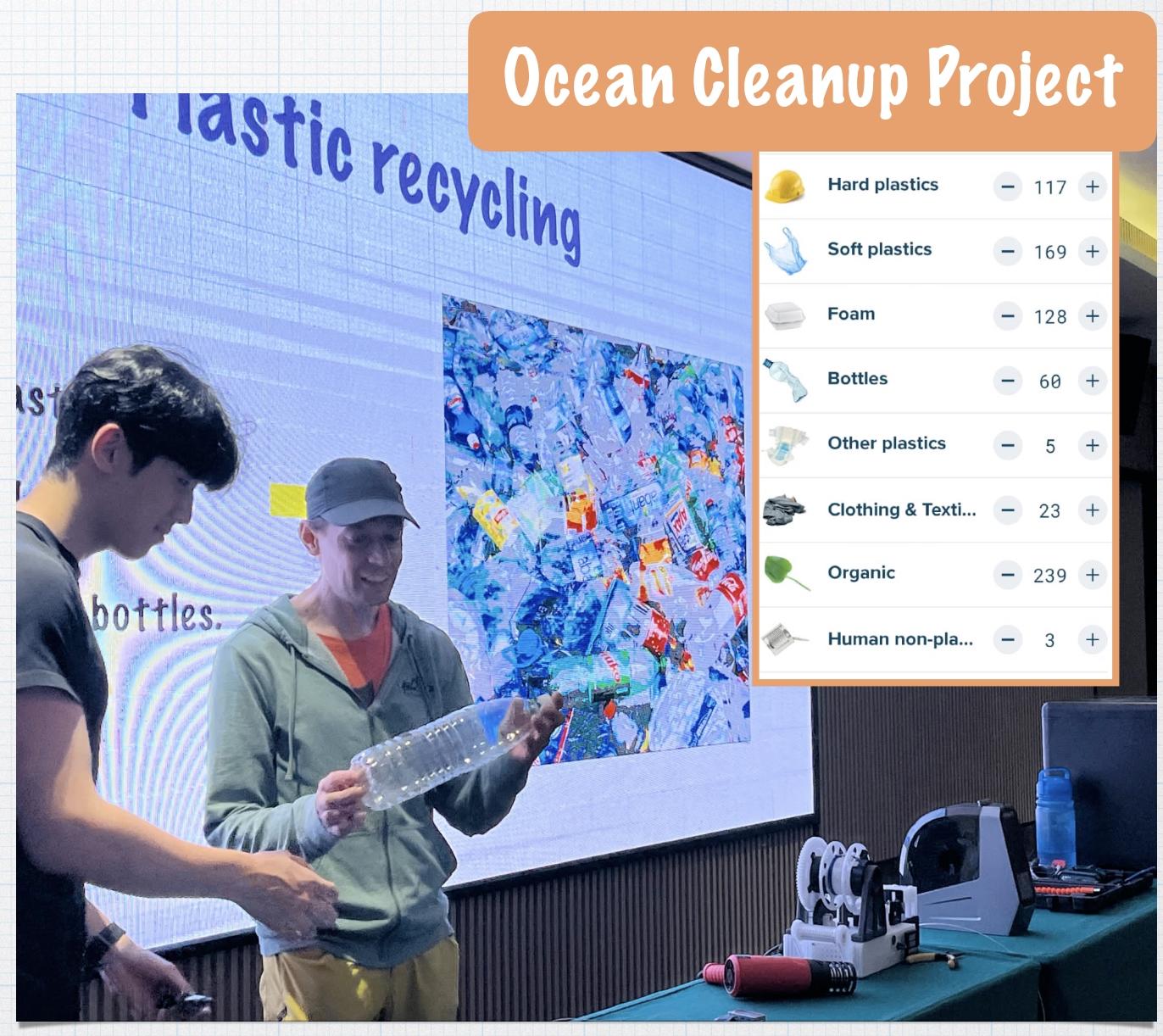
Students use The Ocean Cleanup's River Plastic Survey app on their phones to GPS-tag, photograph, and categorise plastic waste. Data is uploaded to an open global database, allowing direct comparison with river systems in Indonesia, India, and South America.
At a second site, students conduct a physical cleanup, weigh collected plastic by polymer type (PET, PP, PE), and compare the app-estimated volume against the actual measured mass — testing the reliability of remote-sensing methodology. Computer Science students analyse application user-experience and data structure; Biology students discuss microplastic ingestion by riverine organisms; ESS students frame the project within the circular-economy and marine-plastic narrative (SDG 12, 14).
6. Night Sky Light Pollution Survey
Subject alignment: Physics, Biology, ESS
A popular choice, the student engagement is high, and the project is explicitly endorsed in the IB CSP Guide (Example 5: CAS / Citizen Science).
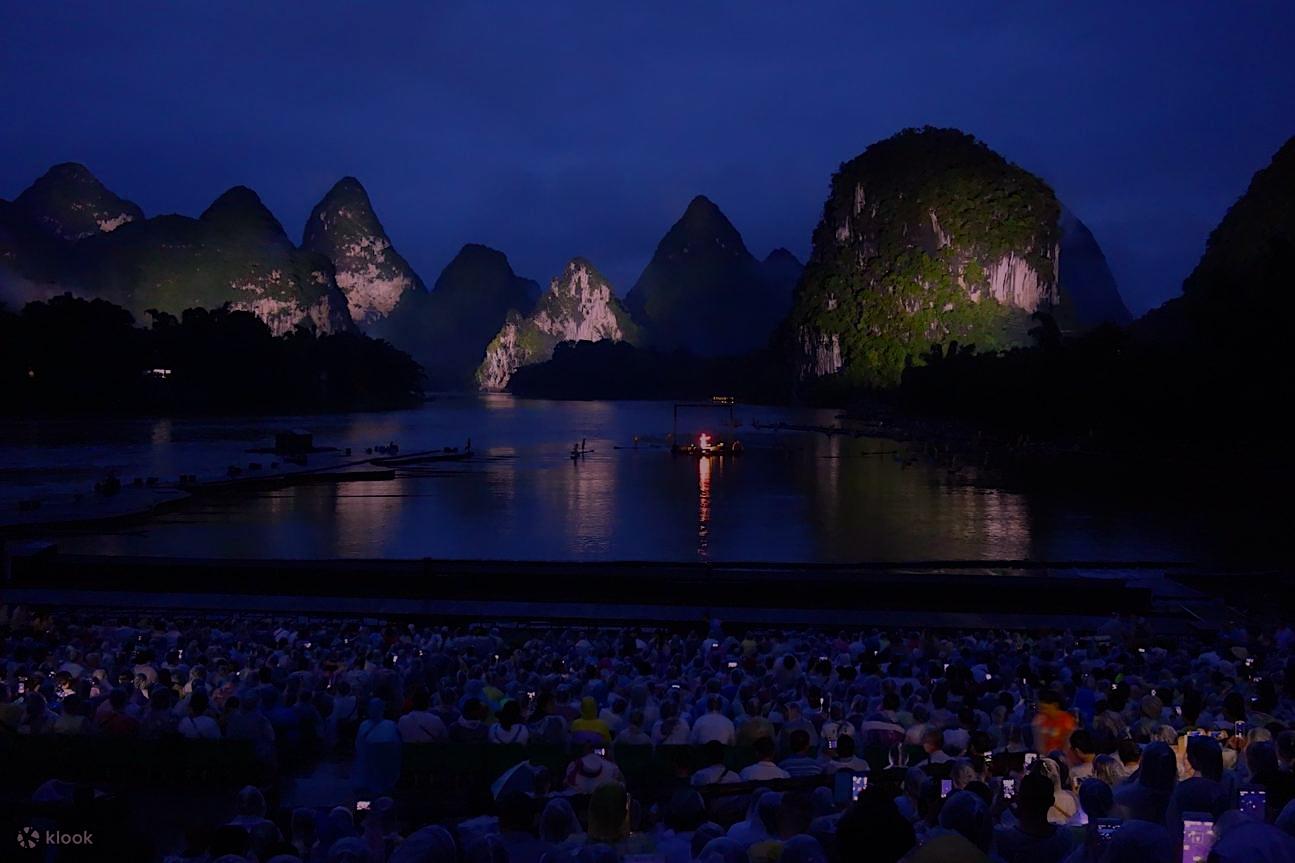
Students measure night-sky brightness at three sites — a rural dark location, a semi-lit village edge, and a town centre — using the Globe at Night citizen-science protocol. They compare their visual estimates to the Bortle scale, validate them with an optional Sky Quality Meter, and upload their data to the global Globe at Night database, joining 300,000+ observations from 180 countries.
A biological component adds depth: teams hang ultraviolet-lit white sheets at lit and unlit locations, survey nocturnal moth abundance for 15 minutes, and correlate insect counts with sky brightness. Physics students explain Rayleigh scattering and spectral power distribution of different lamp types; Biology students discuss the "fatal attraction" of moths to artificial light and the cascading effects on pollination and food webs; ESS students connect skyglow to sustainable-tourism policy and SDG 11 (Sustainable Cities) and SDG 15 (Life on Land).
The night-time setting is unforgettable for students, and the data has some scientific value: Many rural locations in China we use for programs have rapid tourism growth which increases artificial lighting, yet baseline sky-brightness data is often completely unavailable.
Why Zen Quest Adventures?
We are not a generalist tour operator. Since 2011 we have specialised in outdoor education for international schools in China, with a particular focus on IB, IGCSE, and A-Level fieldwork. Our team includes experienced outdoor professionals with mountain leadership, caving, and rope-access qualifications, we have been assisting and running science and fieldwork projects since 2016 and look forward to helping you create the best CPS fieldwork trip China has to offer.
Every CSP programme includes:
- Detailed standard operating procedures and risk assessments
- Pre-departure briefing materials for teaching staff
- Equipment lists with supplier recommendations and per-student costs
- Lesson plans broken into 2-hour schedules with interdisciplinary role assignments
- Instructor keynotes
- Post-programme data packages for schools to retain as IB evidence
- 100-word reflection templates and documentation guidance
We can deliver a single CSP as a two-day intensive, or embed multiple projects within a five-day residential programme alongside our existing activities (rock climbing, caving, trekking, abseil, and CAS projects).
---
NEXT STEPS
If you would like to discuss CSP delivery for your school, please contact us with the form below to discuss with our programme team directly. We are happy to tailor team compositions, adjust for your students' science-subject enrolment, and integrate the project into a broader residential programme.
*Aligned with the IB Collaborative Sciences Project Guide (2025)*